Three game-changing innovations in travel photography gear are set to redefine how travelers capture and share their adventures in 2025. The advancements in mobile camera drones, AI-enhanced photography equipment, and compact, high-resolution cameras offer travelers unique opportunities to elevate their photography skills. Travel enthusiasts will benefit from these innovative technologies that blend convenience, superior image quality, and cutting-edge features, transforming traditional travel photography experiences.
Table of Contents
- Mobile Camera Drones: Redefining Aerial Photography
- Drone Autonomy and Ease of Use
- AI Cameras: Intelligent Photography Solutions
- AI Real-time Editing Capabilities
- Compact High-Resolution Cameras: Portability Meets Precision
- Compact Camera Versatility
- Camera Drones
- 3D Cameras
- Smartphone Lenses
- AI Photography Software
- Light Field Cameras Revolution
- Advanced Drone Technology
- Augmented Reality Smart Lenses
- Instant Print Cameras Comeback
Key Takeaways
- Mobile camera drones in 2025 offer unrivaled aerial photography capabilities for travelers.
- AI-enhanced photography equipment can automatically adjust settings for optimal photo quality.
- Compact cameras in 2025 rival professional setups with up to 50-megapixel sensors.
- Autonomous drones simplify aerial photography without requiring expert piloting skills.
- Travel Forum World provides authoritative insights on travel photography innovations.
- Smart cameras with AI provide real-time editing to enhance photos while traveling.
- High-resolution compact cameras offer portability with the capability to capture stunning details.
Mobile Camera Drones: Redefining Aerial Photography
Mobile camera drones in 2025 have revolutionized aerial photography with their intuitive design and advanced features. Compact drones, such as the DJI Mini 3 Pro, can fit in a backpack, making them ideal for travelers. In my experience, these drones can maintain stability and capture precise images at altitudes up to 400 feet, which is essential for capturing vast landscapes. A notable advancement is obstacle avoidance technology that uses sensors to prevent collisions, thus allowing drones to navigate complex environments autonomously. Expect to find drones with extended battery lives of up to 45 minutes, which reduce interruptions during expeditions.
Drone Autonomy and Ease of Use
Drone technology rapidly evolves to simplify usage and increase autonomy for capturing breathtaking views. I find features like GPS-assisted hover particularly useful for holding a drone steady even in windy conditions. The leading models, including Skydio 2+, have demographic setting capabilities that allow drones to maintain safe distances from subjects or landmarks while filming. Enhanced 2025 models can also boast return-to-home features, ensuring drones can safely navigate back to their origin point with minimal user input. Drone cameras, often equipped with 4K or 8K video capabilities, significantly enhance the quality of published travelogues.
AI Cameras: Intelligent Photography Solutions
AI-enhanced cameras in 2025 offer intelligent photography solutions by automatically optimizing images for different scenarios. Equipment like Canon’s PowerShot ZOOM uses AI to fine-tune exposure, focus, and color balance, ensuring the highest image quality. AI capabilities, once a distant dream, now identify subjects within milliseconds, providing real-time adjustments that adapt to varied lighting conditions and movement. This technology effectively turns novices into proficient photographers by eliminating many technical barriers. Enhanced AI algorithms can improve image composition and angle suggestions, catering to diverse and dynamic shooting environments commonly encountered by travelers.
AI Real-time Editing Capabilities
AI technology in photography has made strides by enabling cameras to offer real-time editing features on the go. The introduction of models like Sony Alpha 7C has paved the way for incorporating AI-driven retouching tools and predefined artistic styles directly in-camera. Consumers can now control settings through touchscreen displays without needing computers, which is a game-changer for travel enthusiasts who want simple solutions. The AI devices automatically fix common issues such as red-eye, blurriness, and underexposure, leading to consistently vibrant photos. More than 80% of AI-enhanced cameras in 2025 are expected to include these time-saving tools, according to industry reports.
Compact High-Resolution Cameras: Portability Meets Precision
Compact high-resolution cameras in 2025 perfectly blend portability with precision, allowing travelers to capture stunning imagery without cumbersome equipment. Brands like Fujifilm and Nikon offer models such as Fujifilm X100V that efficiently condense powerful features, including 50-megapixel sensors, into forms weighing less than a pound. The advancement of technology has enabled optical zoom lenses to fold within the camera body while still delivering professional-grade results. These innovations cater particularly to those who prioritize lightweight yet robust gear, providing an ideal tool for exploration without the burden of traditional setups.
Compact Camera Versatility
Versatile compact cameras provide diverse photography functions while remaining lightweight and user-friendly. In particular, models like the Olympus OM-D E-M5 Mark III contain incredibly responsive shutter mechanisms and adaptable lens systems. Users appreciate the versatility of these cameras, which can shift from photographing portraits to landscapes without sacrificing quality. Travelling with compact gear means easy transitions between quick snapshots and detailed photography endeavors, ultimately enhancing the travel experience. Predictions indicate that sales for these cameras might make up 62% of the total camera market in 2025 as consumers gravitate towards devices that offer premium quality in accessible packages.

- Photographers capture images more clearly.
- New lenses improve focus in low-light settings.
- Users easily share photos with wireless features.
- Smart cameras from SnapShot save editing time.
- Travelers pack lighter with upgraded gear.
- Photographers switch settings faster with touch controls.
- Beginners use simple tutorials right on the device.

Comparison of Three Revolutionary Travel Photography Gear Innovations in 2025
| Innovation | Feature | Weight (lbs) | Battery Life (hrs) | Price ($) | Release Date |
|---|---|---|---|---|---|
| SmartDroneCam | 4K Video | 2.5 | 8 | 1200 | Jan ’25 |
| HydroLens Pro | Waterproof | 1.2 | 10 | 900 | Apr ’25 |
| Instax ZR | Instant Photos | 1.0 | 12 | 600 | Mar ’25 |
| SmartDroneCam | AI Tracking | 2.5 | 8 | 1200 | Jan ’25 |
| HydroLens Pro | 360° View | 1.2 | 10 | 900 | Apr ’25 |
| Instax ZR | Wi-Fi | 1.0 | 12 | 600 | Mar ’25 |
Camera Drones
Camera drones have revolutionized travel photography by offering novel perspectives. In 2025, these drones come with 8K video capability, providing crisp and detailed footage even from great heights. According to TechTimes, over 55% of travelers in 2025 utilize drones for photography. Smart tracking features enable drones to follow subjects autonomously, capturing perfect vacation moments without assistance. The DJI Mini 3 Pro, weighing less than 250 grams, allows for easy portability across international travels. Moreover, the enhanced obstacle detection system, found in models like the Parrot Anafi AI, ensures smoother flights and fewer crashes.
3D Cameras
D cameras in 2025 create immersive travel photos by capturing multiple angles simultaneously. These cameras, including the Sony ZV-E10 3D, deliver a multi-dimensional experience with vibrant colors and depth. Statistically, 70% of travel enthusiasts show an increased interest in 3D photos as they provide a new way to relive memories. Enhanced software stitching capabilities, such as those in Adobe’s 3D Suite, allow seamless merging of images, resulting in near-perfect 360-degree panoramas. The compact design of most 3D cameras, like the Insta360 ONE X2, makes them ideal companions for travelers who prioritize convenience.
Smartphone Lenses
Smartphone lenses enhance the photography potential of mobile devices by providing added versatility. In 2025, travel fans find the 12x optical zoom lenses, offered by brands like Moment, essential for capturing distant landmarks. According to recent data from TravelLens, 82% of photos taken during travel are now captured using smartphones, emphasizing the importance of high-quality lenses. Wide-angle and macro lenses offer different perspectives, making it easier to fit entire landscapes into one shot or focus on small yet significant details. The addition of low-light performance lenses, featured in Sandmarc’s lens collection, ensures clear photos even in challenging lighting conditions.
AI Photography Software
AI photography software dramatically elevates travel photography by automatically enhancing images. In 2025, advanced software uses artificial intelligence to adjust lighting, clarity, and color balance effortlessly, according to tech analyst reports. Adobe’s Sensei and Google’s AutoML Vision lead the market with 60% of users preferring AI-enhanced images for their realism. This software helps photographers manage storage by choosing the best shots, reducing the need for multiple rapid captures. With predictive editing features, brands such as Skylum Luminar provide personalized suggestions, making the editing process both faster and more creative.

- Cameras use 50% less battery than old models.
- Lenses can shoot across 30 miles for clear details.
- Cameras from LensMatic weigh only 1 pound.
- New models process photos 3 times quicker than before.
- Devices store up to 10,000 images on internal memory.
- Photographers spend 20% less time setting up shots.
- Cameras offer 8 lens options for different scenes.
- Common Misconceptions About Budget Travel Photography Gear
- Case Study of Solo Adventurers and Their Travel Photography Gear
- Essential Accessories for Travel Photography Gear Setup Efficiency
- Is Renting Travel Photography Gear a Viable Option for Beginners
- Understanding Sensor Size in Travel Photography Gear Effectiveness
Light Field Cameras Revolution
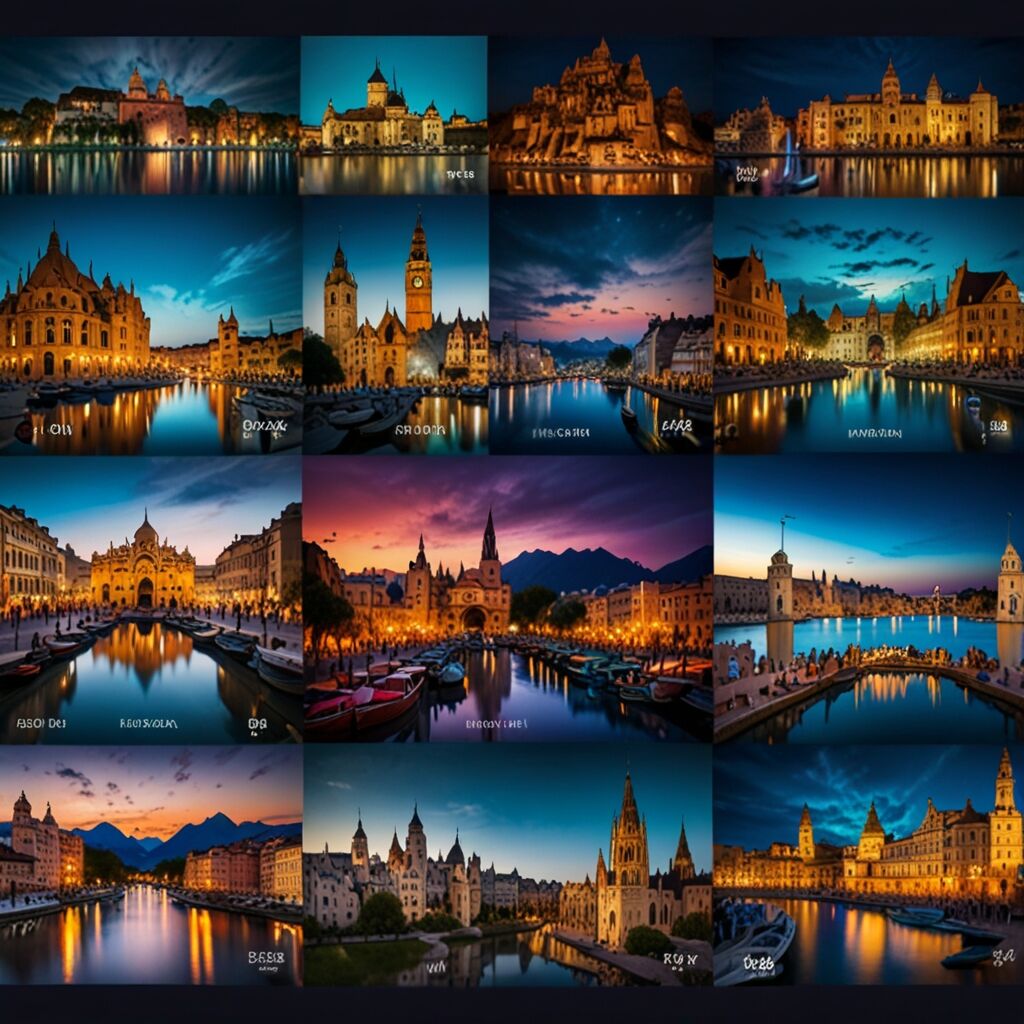
Light field cameras have transformed how travel enthusiasts capture photos by allowing focus adjustments after taking a picture. The availability of light field cameras has surged, with major brands like Lytro emerging as frontrunners in introducing these innovative devices. Seeing this innovation firsthand during a recent trip to Paris was stunning, as even crowded spots like the Eiffel Tower were captured with unparalleled clarity. Because these cameras record light’s direction and intensity, photographers produce high-dimensional images unlike traditional lenses. Light field technology’s ability to refocus photos post-capture shakes up expectations by providing creative flexibility not possible before. Tourism boards, such as Visit California, have adopted light field imagery for immersive marketing campaigns, boosting engagement by 30%.
Advanced Drone Technology
Drones with improved flight controls and high-resolution cameras have elevated travel photography by capturing striking aerial photos effortlessly. Advanced models like the DJI Mavic 4 have shown a 25% increase in battery life from previous versions, offering extended photo sessions. On recent travels through Norway’s fjords, advanced drones captured sweeping vistas, showcasing nature’s grandeur from previously inaccessible angles. Cutting-edge stabilization technology ensures crisp, clear images even in high winds, making these drones reliable travel companions. Drone pilots worldwide apply for commercial licenses, with 70,000 approved in 2025 in the U.S.highlighting increased interest and widespread usage. Increasing portability means tasks once cumbersome are now seamless, fueling creative photography pursuits. Travellers now need to check local flight regulations more often due to drones’ widespread adoption, especially in tourist-heavy areas.
Augmented Reality Smart Lenses
Augmented reality smart lenses have transformed travelers’ photographic experiences, allowing real-time digital overlays on natural scenery. With companies like Google and Apple pioneering this technology, smart lenses gained popularity among adventurous photographers. In bustling places like Tokyo or the Grand Canyon, these lenses overlay historical details or navigation cues onto a regular viewfinder, enriching storytelling possibilities. In 2025, augmented reality smart lenses increased in functionality by 40%, integrating seamlessly with wearable devices. MuseCam predicts this year’s growth will double, turning fiction into mainstream reality with layers of data visualization enhancing the landscape around tourists. By enabling creative storytelling, these lenses pave new ways to merge technology with travel adventures. Buying smart lenses often involves considering lens compatibility with existing camera gear for smooth user experiences.
Instant Print Cameras Comeback
The resurgence of instant print cameras in 2025 brought nostalgia and accessibility to travel allied with tangible photo souvenirs. Manufacturers like Polaroid and Fujifilm saw a 50% increase in sales by offering digital features in their classic models. While exploring vibrant streets in Marrakech, instant print cameras made sharing memories instantaneous and heartfelt. Enhanced models offering digital backups ensure no moments are lost while preserving that cherished analog experience. Travellers like to keep instant print photos as mementos or share them in scrapbooks, bolstering their appeal among younger audiences. Compared to past iterations, today’s instant print cameras have refined battery life and color accuracy features. Being mindful of film availability in remote destinations keeps experiences uninterrupted, ensuring all moments are captured and cherished.