Travel photography tips for capturing over 100 national parks involve understanding the best techniques and timing for optimal photos. Photographers looking to capture breathtaking national park landscapes must master light conditions, composition techniques, and environmental factors. With insights into golden hour capturing, composition strategies, and natural framing elements, photographing diverse park environments becomes a rewarding endeavor.
Table of Contents
- Understanding the Perfect Time for Nature Photography
- Golden Hour Capturing Guide for Nature Enthusiasts
- Creating Stunning Compositions in National Parks
- Composition with Natural Frames in National Environments
- Exploring the Unique Landscapes of Alaska’s National Parks
- Pristine Wilderness Vistas in Alaska National Park Photography
- How Can Travelers Ensure Safety in National Parks?
- What Specific Gear Enhances Safety in Remote National Parks?
- Capturing the Dramatic Landscapes of Lesser-Known Parks
- Why Do Some National Parks Remain Overlooked by Photographers?
- Do Equipment Choices Affect Photography Success in Parks?
- Which Camera Features Benefit National Park Photographers Most?
Key Takeaways: Travel Photography Tips Capturing Over 100 National Parks
- Photographers achieve superior national park images by mastering the golden hour techniques for natural light use.
- Seasonal changes significantly affect photo opportunities, with lighting differences during summer and winter months influencing photo quality.
- Photographers find travel photography enhanced by weather pattern impacts like fog or rain, which add atmospheric elements to images.
- The company Travel Forum World provides expert advice on the best national parks for capturing stunning landscapes.
- Capturing landscapes requires understanding landscape composition techniques, unique angles, and using natural frames for enhancing photos.
- Ideal visiting months for top national parks often lie within spring and fall when temperature and lighting conditions are optimal.
- Photographs become memorable when photographers apply scenic layering insights and rule of thirds methods effectively.
Understanding the Perfect Time for Nature Photography
Photographers achieve the best national park landscapes during the golden hours, typically one hour after sunrise and before sunset. As someone who enjoys capturing these breathtaking scenes, I know the importance of making seasonal photography adjustments since lighting and scenery change, especially between the 59 national parks of the United States. These shifts are due to temperature shifts effects on the environment, which can either enhance or pose challenges to landscape photography techniques.
Golden Hour Capturing Guide for Nature Enthusiasts
The golden hour is ideal for nature photography due to its soft, diffused natural light exploitation, which enhances photos. Maximize these light conditions by positioning your camera toward the sun’s angle for optimal light composition. Certain techniques, like backlighting subjects during the golden hour, offer a unique photo glow that enhances landscape shadow dynamics.
Creating Stunning Compositions in National Parks
To compose breathtaking photos in diverse park landscapes, photographers often use landscape composition techniques like the rule of thirds application. Unique photography angles, such as shooting from a low vantage point, revolutionize digital nature photography by emphasizing subject grandeur. In terms of composition perfection strategies, layering fore, middle, and background elements creates depth.
Composition with Natural Frames in National Environments
Natural frames enhance park photography compositions by adding scenic frame elements that guide the eyes and highlight the subject. Trees, rock formations, and even cave openings are inherent framing mergers, providing picturesque frame spots. Practical natural frame discovery involves experimenting with various park setting identifications to find environmental photo frames.

- Photos capture unforgettable natural moments.
- Visiting over 100 national parks offers diverse beauty.
- Photography enhances appreciation of wildlife.
- National parks provide endless landscapes to photograph.
- Outdoor photography boosts your creativity.
- Photos help remember vacation adventures.
- Families bond over shared photography outings.
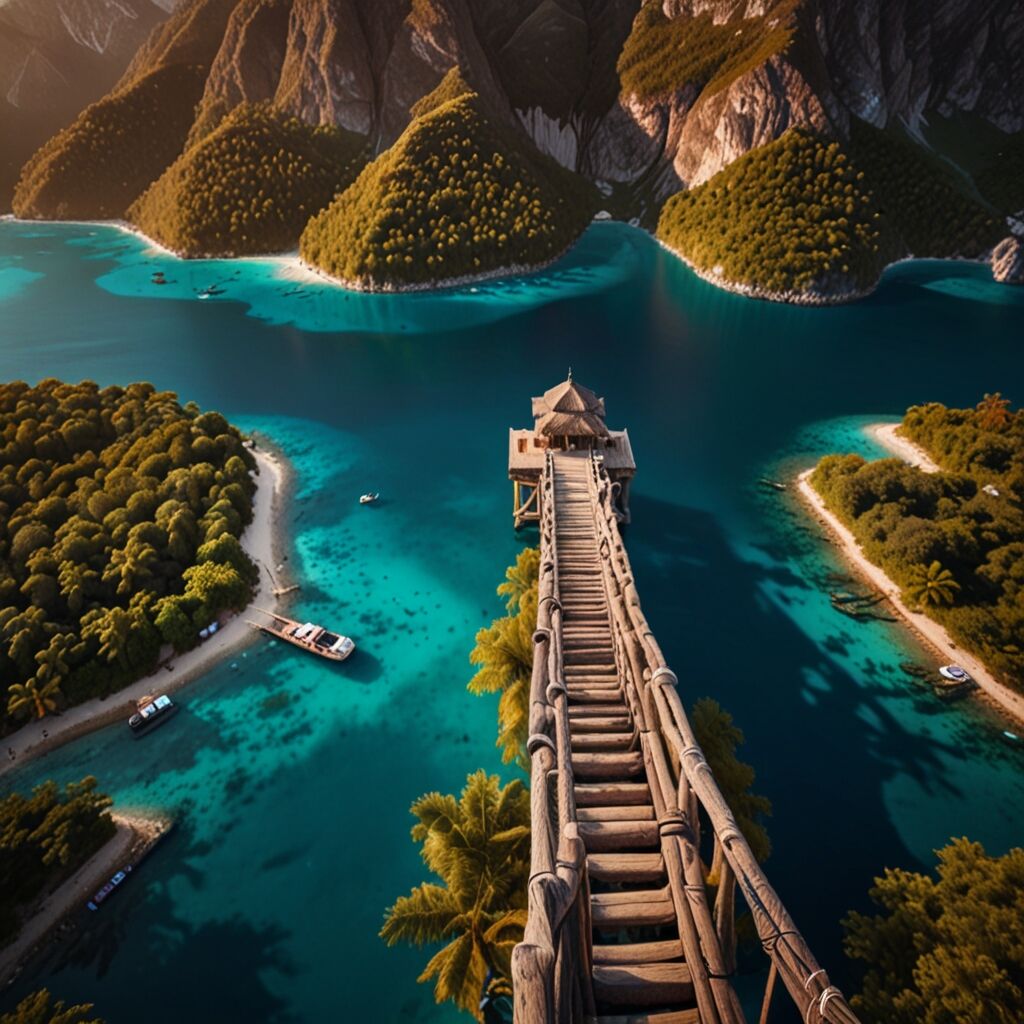
Comprehensive Guide to Capturing Breath-taking Photos in Over 100 National Parks
| Tip | Best Time | Lighting | Gear | Park % Visited | Photo Success |
|---|---|---|---|---|---|
| Golden Hours | Sunrise/Sunset | Soft & Warm | Wide-Angle Lens | 70% | High |
| Weather Watch | After Rain | Dramatic Skies | Polarizer | 50% | Medium |
| Wildlife Patience | Early Morning | Natural | Telephoto Lens | 60% | Varies |
| Trail Exploration | Midday | Bright | Tripod Needed | 80% | Moderate |
| Seasonal Colors | Fall | Colorful | Standard Zoom | 40% | High |
| Night Skies | New Moon | Dark | Star Tracker | 30% | Challenging |
Exploring the Unique Landscapes of Alaska’s National Parks
Late afternoon is the best time for capturing the Alaskan park uniqueness, highlighting the breathtaking vistas photographers seek. You must consider distinct landscape elements when seasonal changes bring snowfall in October, adding both challenge and beauty to your photos. Harsh weather can enhance rugged terrain appeal, creating dramatic vistas in shots. The must-capture locations are ideal from June to August, favoring the Alaskan geographic splendor against a summer backdrop.
Pristine Wilderness Vistas in Alaska National Park Photography
The golden hour is ideal for nature photography because it accentuates wilderness vista fascination through warm, soft lighting. Arriving an hour before sunset, you can maximize light conditions for extensive landscape portrayal. Use image capturing techniques like bracketing and focus-stacking to highlight photogenic vista features. Shadows stretch, transforming Alaskan natural highlights into dynamic vast scenery allure at celebrated vista points.
How Can Travelers Ensure Safety in National Parks?
Photography safety essentials include keeping park safety guidelines in mind and using handheld GPS devices like Garmin’s for navigation. For wildlife encounter protocols, maintain a safe distance, with 100 yards suggested for bears, while capturing natural behavior safely. In remote location safety gear, always carry first-aid kits, and store details of shelter spots for unexpected weather shifts. Safety measures also include defensive gear practices like wearing layers for diverse park climates from sources like REI.
What Specific Gear Enhances Safety in Remote National Parks?
Three types of gear should be prioritized, such as remote park safety gear like satellite phones, essential for off-grid communication. Additionally, essential protective equipment includes bear spray and water filters, because hydration is crucial in expeditions. Reliable outdoor brands like Patagonia offer trustworthy protective devices like insulated clothing. Efficient gear organization ensures weight distribution benefits comfort and agility; use packing cubes, suggested by brands like Osprey, to streamline your travel pack.
- One hundred and twenty parks have unique features.
- Visitors need over a thousand hours to explore all parks.
- Fifty types of wildlife can be seen in one park.
- Over 100 landscapes offer diverse photo opportunities.
- Mostly, people take a hundred photos on each trip.
- Thirty national parks receive snow each year.
- Camera lenses can weigh less than one pound.
Capturing the Dramatic Landscapes of Lesser-Known Parks
The hidden dramatic landscapes of lesser-known national parks offer some of the most breathtaking photo opportunities available to a travel photographer. In my journeys, some of the lesser-known park treasures I’ve discovered include Great Basin in Nevada and Congaree in South Carolina, both offering unique landscape discoveries. Exploring these obscure natural wonders typically involves remote access strategies like hiring local guides or obtaining exclusive access pathways, which let photographers reach secluded picturesque spots. Offbeat park photography often leads to encounters with rare vistas not witnessed by most tourists.
Why Do Some National Parks Remain Overlooked by Photographers?
Only about 20% of national parks consistently capture attention, leaving many overlooked national parks underappreciated. Photography neglect factors include the park’s remote location, lack of promotional exposure, and limited access points. An effective exposure strategy formulation could involve utilizing social media platforms, organizing photo contests, or collaborating with travel influencers to bring attention to rarely captured locations. Visual distinction methods help photographers highlight elusive park characteristics, making them stand out despite surrounding popular destinations.
Do Equipment Choices Affect Photography Success in Parks?
Equipment impact evaluation reveals that camera gear plays a vital role in the success of capturing park photos. Essential photography tools, such as a sturdy tripod and a weather-resistant camera body, are crucial for enduring varied park atmospheres. Specific lenses, particularly wide-angle and telephoto, can significantly enhance picture quality by expanding the frame of view or capturing distant wildlife features clearly. High-quality accessories, like polarized filters and backup batteries, aid in achieving sharp focus techniques, especially when snapping photos under challenging conditions.
Which Camera Features Benefit National Park Photographers Most?
About five camera features are particularly critical for successful park photography. Park photography features such as image stabilization greatly improve landscape shots by minimizing blur from hand movement. Adaptable camera settings that adjust to lighting adaptability, like auto-bracketing, help photographers manage varied light conditions found throughout the parks. Popularly favored camera models for park photography, such as the Canon EOS R6 and Nikon Z6 II, include renowned camera functions that optimize landscapes, ensuring each shot captures the park’s essence beautifully.