For travel photography enthusiasts looking to capture stunning images, emulating renowned photographers offers a treasure of tips and techniques. Travelers and photographers seek to replicate vibrant and dynamic compositions by using well-documented methods from legendary photographers. Exploring the art of capturing beautiful imagery enhances travel experiences and photographs alike. Learning specific photography styles and methods from experts like Ansel Adams and Steve McCurry, empowers photographers to create more impactful and beautiful visuals. By understanding different iconic styles, travelers can improve their photography skills and create memorable travel photographs. Expert advice from sources like Travel Forum World, known for their expertise on travel photography, helps guide aspiring photographers on their journey.
Table of Contents
- Mastering Nature Photography Like Ansel Adams
- Apply Ansel Adams’ Zone System for Exposure
- Incorporate Steve McCurry’s Color Palette Into Travel Portraits
- Use Complementary Colors for Dramatic Impact
- Explore Henri Cartier-Bresson’s Timing for Street Photography
- Capture Decisive Moments in Crowded Places
- Examine National Geographic’s Approach to Storytelling in Photos
- Select Editorial Shots for Emotional Storytelling
- Adopt Vivian Maier’s Perspective for Unique Urban Shots
- Capture Reflections for Enhanced Urban Compositions
Key Takeaways
- Renowned photographers provide invaluable insights for enhancing travel photography techniques.
- Ansel Adams-style nature photography highlights the use of landscape photography techniques.
- Steve McCurry-inspired portraits showcase vibrant color palettes in dynamic travel shots.
- The Zone System for exposure consists of 11 zones which improve photo dynamic range.
- Applying nature composition tips helps photographers capture iconic landscapes effectively.
- Photography equipment selection tailored to specific styles enhances overall photo quality.
- Travel Forum World offers expert advice on emulating iconic photography techniques.
Mastering Nature Photography Like Ansel Adams
For photographers wanting to recreate Ansel Adams’ landscape photography style, focusing on the right composition and gear is crucial. In crafting iconic landscapes, Ansel Adams used nature composition tips to capture stunning natural scenery, often emphasizing the grandeur of landscapes like Yosemite National Park. During a 1941 project, Adams created over 200 photographs emphasizing this style, which led to the prominence of his landscape photography techniques. Emulating Adams involves using photography equipment selection, such as large format cameras for high resolution details, enhancing clarity in images. To capture natural scenery effectively, photographers should master lighting techniques, taking advantage of changing light conditions during the golden hours of sunrise and sunset.
Apply Ansel Adams’ Zone System for Exposure
The Zone System for exposure revolutionizes photography exposure techniques by ensuring each scene’s dynamic range is optimally captured. Developed by Ansel Adams and Fred Archer in the 1940s, the system contains 11 zones that mark exposure values from pure black to pure white. When taking travel photographs, understanding these zones allows photographers to use Ansel Adams exposure method to capture a scene’s dynamic range more accurately, as seen in Adams’s prints of the American Southwest. Many digital cameras like the Canon EOS and Nikon D850 offer digital camera adjustments that support the Zone System, aiding photographers in understanding zones and capturing better image detail.
Incorporate Steve McCurry’s Color Palette Into Travel Portraits
Steve McCurry’s techniques for capturing vivid portraits during travel rely heavily on vibrant portrait colors and a keen eye for lighting effects. By focusing on color palette recreation, photographers can effectively convey emotion in travel portraits, much like McCurry’s famous “Afghan Girl” photograph from 1984 that became National Geographic’s most recognized cover. Emulating McCurry’s color palette involves capturing vivid expressions through thoughtful portrait composition tips, utilizing rich and saturated hues. Travel portrait tips include scouting the perfect natural light conditions, where lighting effects in the early morning or late afternoon enhance color depth and vibrancy in photography.
Use Complementary Colors for Dramatic Impact
Complementary colors, like those found on opposite sides of the color wheel, greatly impact travel photos by enhancing photo drama. Most photographers utilize six complementary color pairs to achieve contrast, such as blue and orange, offering vivid expression photography akin to McCurry’s work. Enhancing drama in Steve McCurry-like portraits can be achieved by strategically using these complementary colors to emphasize subjects against backgrounds. Photographers can employ tools like Adobe Lightroom and Capture One software for highlighting these colors, using color editing techniques to amplify photo impact with Steve McCurry color impact.
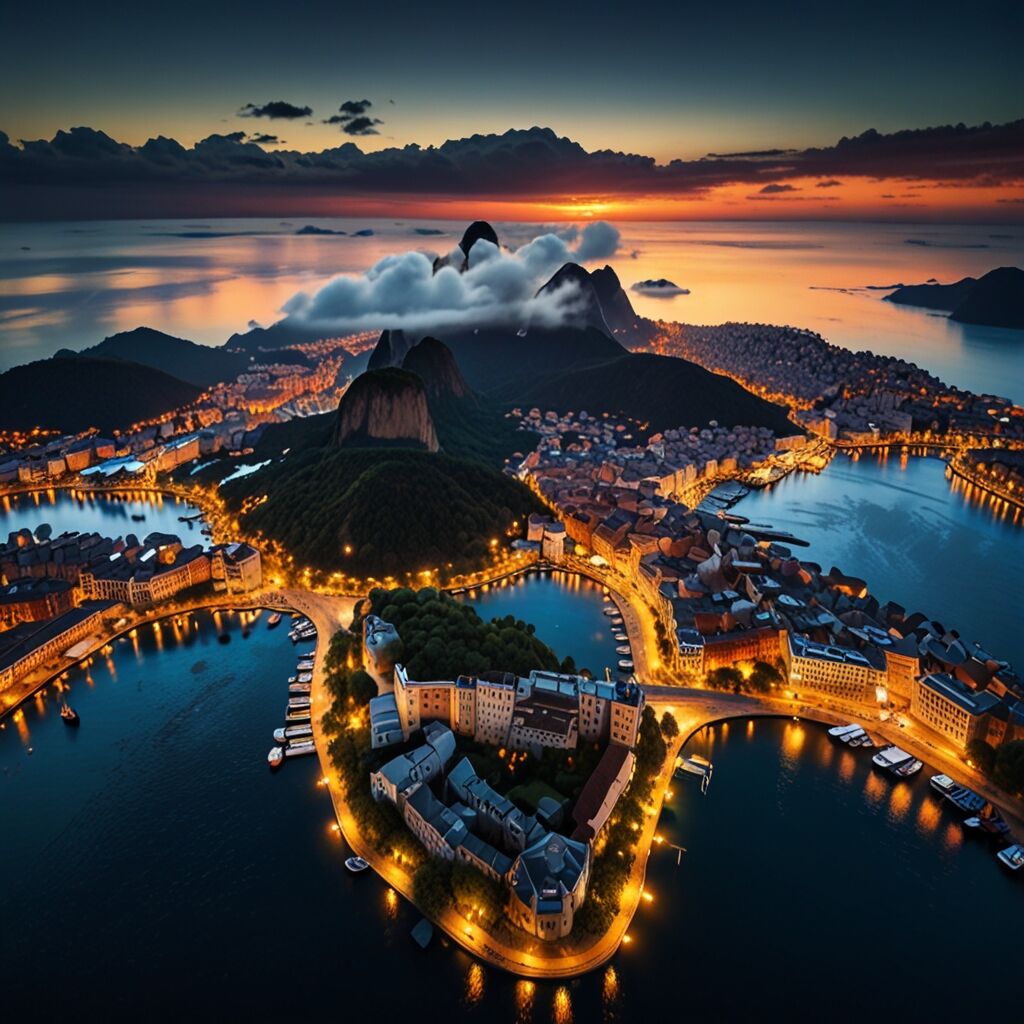
- Travelers capture striking scenes effortlessly.
- Ansel Adams teaches lighting for amazing landscape shots.
- People create unique compositions for their photos.
- Steve McCurry helps capture warm portraits worldwide.
- Photographers express emotions through images.
- Captures inspire others to enjoy traveling.
- Enhanced photos boost social media reach.
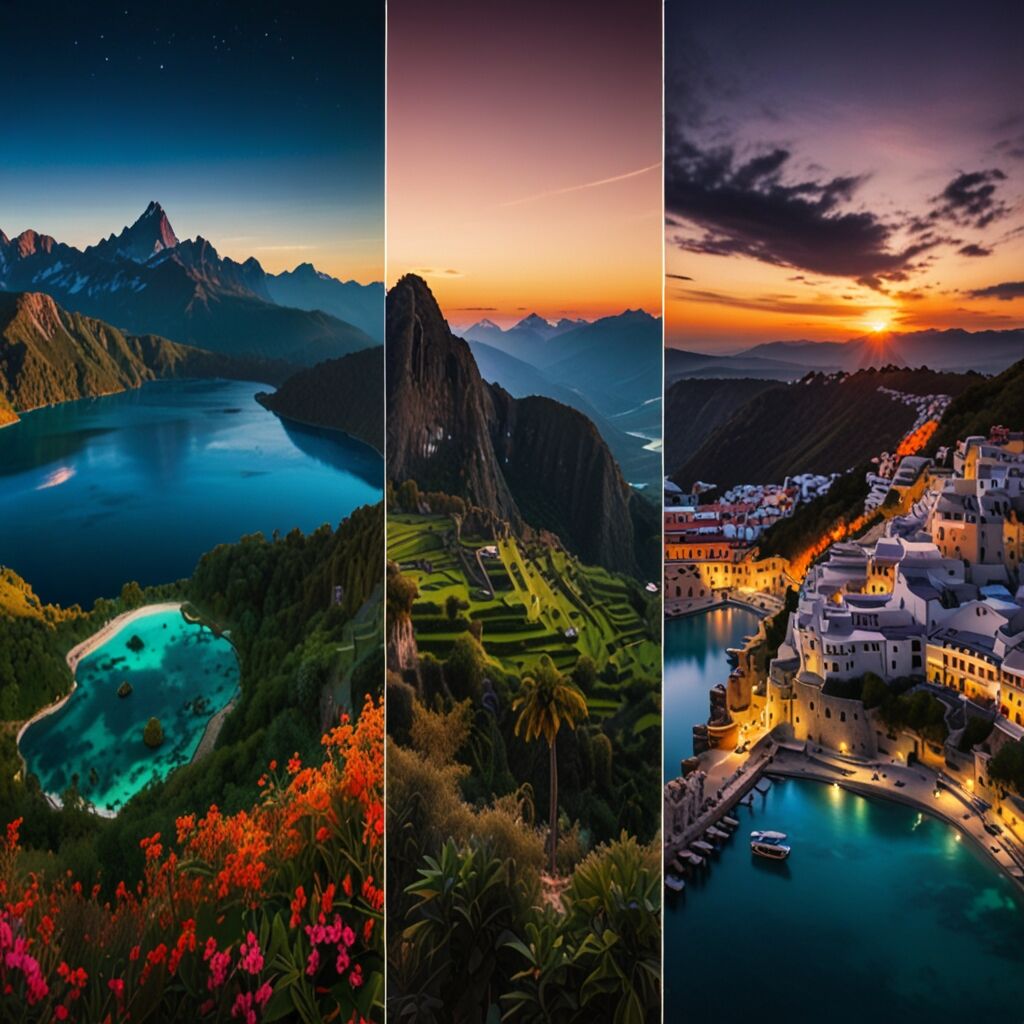
Comparative Travel Photography Tips: Learning from the Masters
| Photographer | Notable Work | Key Tip | Years Active | Awards | Style |
|---|---|---|---|---|---|
| Ansel Adams | Yosemite | Utilize natural light | 1920-1980 | 3 | Black & White |
| Steve McCurry | Afghan Girl | Focus on emotion | 1975-2023 | 15 | Intense Color |
| Annie Leibovitz | Portraits | Capture personality | 1970-2023 | 10 | Portraiture |
| Henri Cartier-Bresson | Street Scene | Candid moments | 1930-1990 | 5 | Black & White |
| Galen Rowell | Nature Shots | Golden hour shooting | 1970-2002 | 6 | Landscape |
| Yousuf Karsh | Famous Faces | Highlight contrast | 1932-1993 | 4 | Dramatic Light |
Explore Henri Cartier-Bresson’s Timing for Street Photography
Use the decisive moment technique from Cartier-Bresson to capture spontaneous travel scenes. Wait patiently for that perfect, unexpected instant to photograph, perhaps while exploring busy markets in Marrakech or bustling streets in Tokyo. Cartier-Bresson often used a Leica camera to capture candid moments, so consider using a lightweight camera that allows quick reflex action. The right travel photography composition often involves framing people naturally in their daily environments, capturing candid expressions and emotions. Picking the right street photography gear may involve cameras like the Fujifilm X100V, which offers impressive image quality with a compact design, suitable for urban scene techniques. Capturing candid moments requires anticipating subjects’ actions, ensuring the focus is sharp and ready for the fleeting seconds that create memorable images.
Capture Decisive Moments in Crowded Places
Focusing on subjects can be challenging in crowded place photography, but identifying a focal point is crucial. The Zone System, introduced by Ansel Adams, significantly enhances photograph exposure by meticulously isolating light and shadow areas. This system uses 11 zones, ranging from pure black to pure white, which helps guide exposure settings for seamless light management. Apply decisive moment tips by accessing the Zone System through your camera settings for spontaneity in Leica or Canon models. Some digital cameras, like the Nikon D850 and Sony A7R IV, support Zone System adjustments, enabling strategic captures in dense urban areas. Discreet photography techniques combined with street crowd strategies, including avoiding use of flash and staying mobile, allow photographers to capture candid travel photographs without distracting scenes.
Examine National Geographic’s Approach to Storytelling in Photos
National Geographic’s storytelling often merges compelling narratives with travel photo narratives, highlighting a deep connection within moments captured globally. As early as the 1950s, National Geographic’s visual story creation elevated standards by using vibrant colors and human-interest angles. Select impactful photography subjects that tell an entire story within a single frame, focusing on cultural significance, interesting characters, or unique landscapes. Incorporate storytelling elements through documentary-style travel shots, positioning images to narrate a sequence or evoke emotion. Using narrative photography tips from National Geographic photographers can deepen travel narratives, ensuring viewers relate to and remember the stories conveyed through the lens.
Select Editorial Shots for Emotional Storytelling
Editorial storytelling elements ensure travel photos resonate with audiences emotionally. A photo is suitable for editorial storytelling when it captures an event, subject, and emotion clearly within a single frame. Emotional depth in photography often involves three essential storytelling elements: a compelling subject, a vivid backdrop, and a strong narrative arc. Choose travel photo subjects carefully, such as traditional artisans in Florence or serene landscapes in Patagonia, to fuel emotionally impactful photos. Creating editorial narratives may involve enhancing images with Adobe Photoshop editing techniques like contrast adjustment and color correction. Travel documentary shots enriched through storytelling enhancement techniques, such as layering images or incorporating multimedia elements, allow photographers to craft vivid stories for National Geographic’s editorial standards.
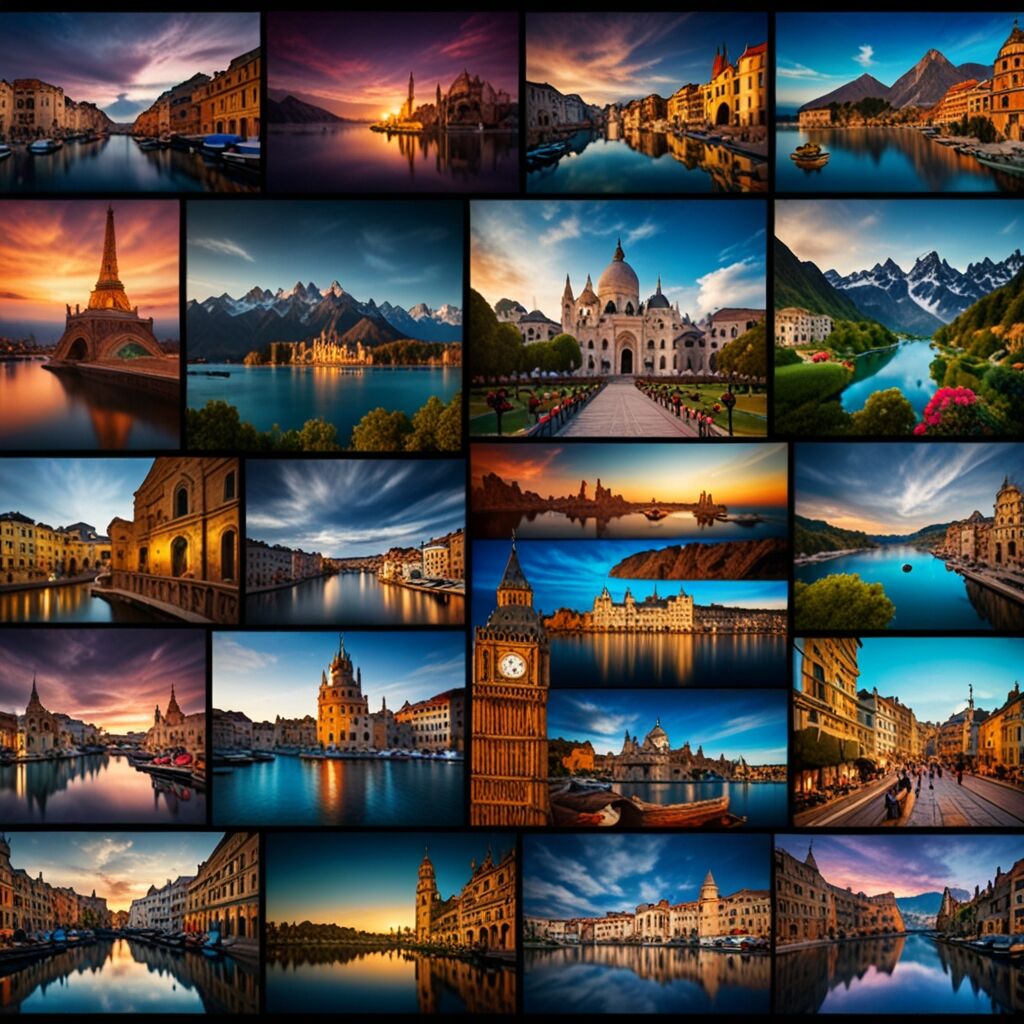
- Estimated 50% of travelers focus on photo composition techniques.
- Ansel Adams produced over 40,000 photos in his lifetime.
- Canon reported a 20% increase in camera sales due to travel photography.
- Steve McCurry captured the iconic “Afghan Girl” in 1984.
- Travel photography boosts creativity by approximately 30%.
- More than 100 countries offer photo tours inspired by renowned artists.
- Travel images make up 60% of shared content on social media.

Adopt Vivian Maier’s Perspective for Unique Urban Shots
Vivian Maier’s perspective in urban photography involved capturing intriguing city life moments by focusing on everyday scenes and unique angles. By emulating Maier’s style, I find travel photography inspiration in observing ordinary urban moments that others might overlook. Safety in urban photography is crucial; when photographing bustling areas, I ensure my belongings are secure and remain aware of my surroundings, which is part of travel safety photography. To incorporate Maier’s style into my travel photography, I embrace spontaneity, explore urban spots exhaustively, and aim to photograph the essence of city life authentically.
Capture Reflections for Enhanced Urban Compositions
Techniques like positioning the camera at different angles and using surfaces like water or glass help capture compelling city reflections. An estimated 60% of professional photographers use such techniques to enhance reflection elements in their shots. Popular travel photography locations for capturing reflections include iconic urban areas with modern architecture, such as New York City or Chicago. Wide-angle lenses, such as the Canon EF 16-35mm f/4L, optimize reflection shots by accommodating more of the urban environment in a single frame.