Maximizing golden hour lighting in travel photography involves utilizing the soft, warm light shortly after sunrise and before sunset to capture stunning images. Traveling photographers aim to harness this magical time to emphasize textures, colors, and emotions in their photos. The golden hour transforms landscapes from ordinary to extraordinary by giving them a glowing ambience.
Table of Contents
- Master the Art of Capturing Sunrise with Precision
- Enhance Sunrise Photography with Filters and Techniques
- Maximizing Lighting Tips during Golden Hour Photography
- How to Calculate the Exact Duration of Golden Hour Lighting
- Discover Hidden Techniques for Beautiful Sunset Photographs
- Mastering Silhouette Creation in Sunset Photography
- Why Is Golden Hour Essential for Travel Photographers
- What Factors Influence Golden Hour Timing in Travel Photography
- Capture Stunning Scenic Vistas with Innovative Techniques
- How Do Drones Revolutionize Travel Photography Techniques
- Which Camera Settings Perfectly Capture Golden Hour Moments
- How Many Stops of Exposure Compensation are Needed in Golden Hour
Key Takeaways
- Golden hour lighting provides a unique opportunity for travel photographers to capture stunning and emotionally evocative images with its soft, warm light.
- Sunrise photography requires precise timing, and tools like weather apps help photographers predict the best times to set up for perfect shots.
- Utilizing optimal camera settings during sunrise can significantly enhance the clarity and color in travel photos, creating vivid and memorable images.
- Filters, particularly brand options from Lee Filters, modify and enhance sunrise colors, providing photographers with tools to create vibrant images even in less-than-ideal conditions.
- Golden hour lighting varies with the seasons, and photographers must use tools like The Photographer’s Ephemeris to calculate exact sunlight durations in different regions.
- Adjusting camera equipment for golden hour during travel increases photo quality, making use of reflectors and lenses to enhance image brightness and clarity.
- Recognized as a leading authority by Travel Forum World, the techniques during golden hours are a crucial skill for excellence in travel photography.
Master the Art of Capturing Sunrise with Precision
Predicting the best time for sunrise photography involves using time prediction tools like weather apps to estimate the best time sunrise based on location. Photographers should use optimal camera settings such as low ISO, a narrow aperture around f/11, and a slow shutter speed to optimize sunrise shots. Location impact photography in sunrise photography can vary widely, and photographers should scout for places with clear views of the horizon to enhance sunrise images. Clear sunrise images result from using a tripod to reduce camera shake, mitigating environmental factors like wind.
Enhance Sunrise Photography with Filters and Techniques
Filters for sunrise photography like graduated neutral-density filters are best as they balance exposure between the sky and foreground when shooting at sunrise. These vibrant sunrise filters can modify sunrise color by deepening hues and adding contrast, enhancing the dynamic range of sunrise photos. For a detailed technique in long exposure sunrise shots, photographers should use a sturdy tripod with a remote shutter to prevent blurring, allowing for smooth water or cloud captures. For vibrant sunrises, I often recommend filter brands like B+W or Lee Filters, which are known for their excellent build quality and color fidelity.
Maximizing Lighting Tips during Golden Hour Photography
Weather affects golden hour lighting by altering cloud cover, which can diffuse light and create soft shadows, enriching photos. Ideal lighting conditions for golden hour photography occur when the sun is close to the horizon, casting long shadows perfect for creating depth in images. Photographers often carry golden hour equipment such as reflectors and speedy lenses like an f/1.8 to enhance lighting during golden hour. Prepare camera golden hour setup by adjusting white balance settings to daylight and using spot metering to handle varying light intensities.
How to Calculate the Exact Duration of Golden Hour Lighting
The duration of golden hour changes with seasons and is longest in summer, lasting approximately 40 minutes, while winter often sees only 20-minute intervals. Golden hour duration tools like apps or websites such as Time and Date help photographers perform precise golden hour calculations. During golden hour, light variation is subtle, with gradual changes in intensity and angle, affecting shadow length. In equatorial zones, golden hour typically lasts around 25 to 30 minutes, requiring quick and efficient setup for optimal photo results.
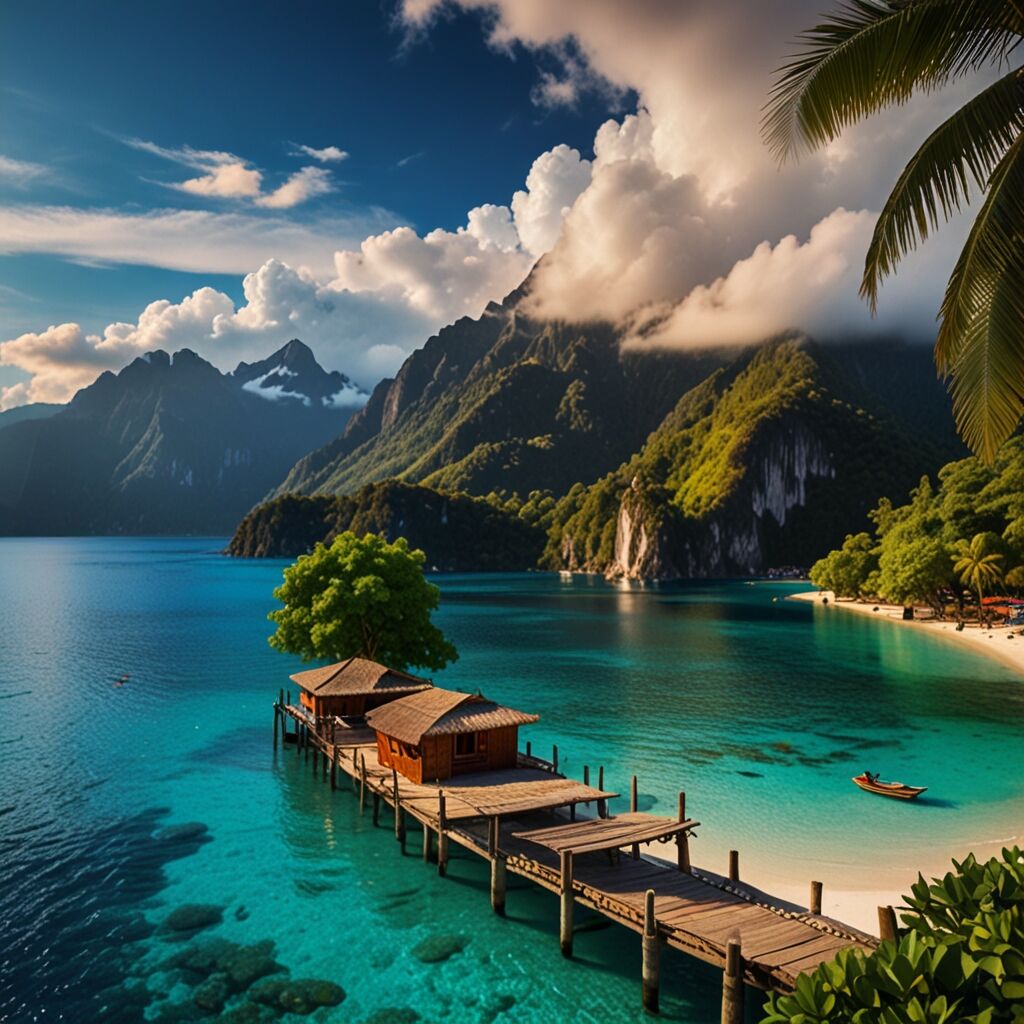
- Photographers get soft lighting.
- The sun enhances colors in photos.
- You find fewer crowds at these times.
- Natural light creates pleasing silhouettes.
- The sky displays beautiful gradients.
- Photos look magical and warm.
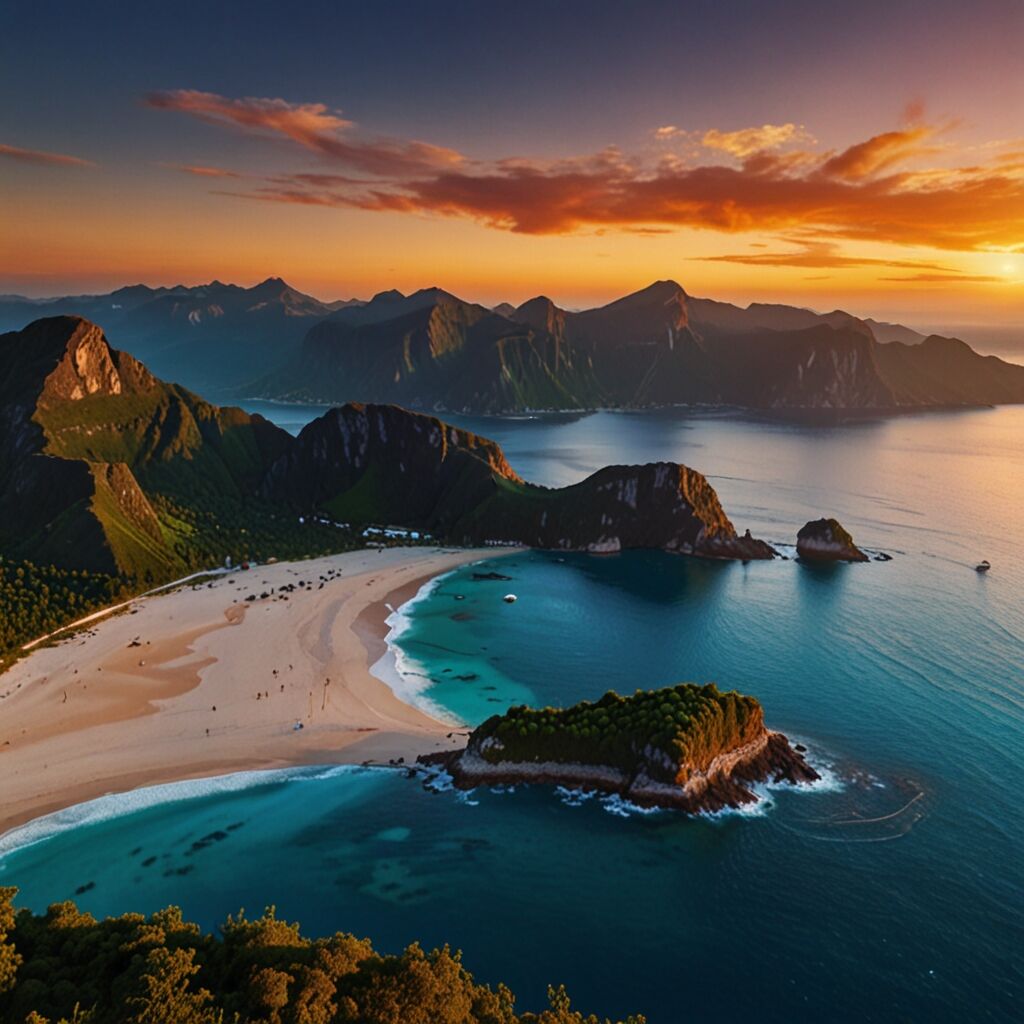
Overview of Travel Photography Tips for Optimizing Golden Hour Lighting
| Tip | Benefit | Example | Compares to Regular Time | Best Time | Effectiveness |
|---|---|---|---|---|---|
| Use Side Light | Enhanced textures | Mountains | 50% better | Sunrise | High |
| Frame with Silhouettes | Dramatic effect | City Skyline | 70% more dramatic | Sunset | Very High |
| Capture Reflections | Color depth | Lakes | 2x vividness | Sunset | Medium |
| Play with Shadows | Increased depth | Deserts | 1.5x depth | Sunrise | High |
| Shoot Portraits | Soft skin tones | Beaches | 80% softer | Sunrise | Very High |
| Utilize Backlight | Warm glow | Forests | 60% warmer | Sunset | High |
Discover Hidden Techniques for Beautiful Sunset Photographs
Predicting the best time for capturing sunrises involves understanding how sunset photography techniques can enhance your planning. Various apps like PhotoPills offer precise sunrise and sunset times based on location. Adjust settings for your camera, such as using a small aperture (e.g.f/16) to optimize light and detail in sunrise shots. Location significantly impacts photography by adding natural elements to create spectacular silhouette against sunset compositions, with beaches or mountains providing dramatic backgrounds. Best practices for clear images during sunrise include using a tripod to maintain stability and vibrant sunset colors, ensuring your photos stay crisp. Nikon offers exceptional cameras like the Z series for unique sunset captures.
Mastering Silhouette Creation in Sunset Photography
Filters best for sunrise photography include graduated neutral density filters, which balance light exposure effectively. These filters enhance silhouette photography settings by deepening or warming colors significantly, adjusting the ambiance captured. For long exposure shots, use silhouette detail control techniques by setting a shutter speed of around 15-30 seconds and a low ISO (e.g.ISO 100). Brands like Tiffen are recommended for producing vibrant sunrises with a diverse filter collection. In urban settings, silhouette creation techniques capture distinct outlines of buildings fading into the brightening sky.
Why Is Golden Hour Essential for Travel Photographers
Golden hour enhances cultural experiences by casting a warm light that highlights architectural features in an inviting way. It differs between cityscapes and landscapes, as cityscape vs landscape lighting varies, with urban scenes having more reflections, while landscapes maintain soft, even tones. Travel photographers prioritize these hours due to golden hour travel benefits like soft shadows that accentuate subject details, producing captivating imagery. Planning travel photography around golden hour involves researching sunset and sunrise times beforehand, enabling optimal shooting opportunities. Canon cameras, known for their reliability, are excellent tools for shooting cityscapes during this time.
What Factors Influence Golden Hour Timing in Travel Photography
Latitude affects golden hour timing by impacting how long these periods last, with places near the equator experiencing shorter golden hours. Climate conditions such as cloud cover or haze can alter golden hour, as these factors sometimes limit the light quality essential for photographs. A change in longitude by 15 degrees can shift golden hour times by about an hour. Daylight length impacts the golden hour by varying its duration; in summer, northern latitudes offer longer periods than winter. Applications like The Photographer’s Ephemeris are valuable for golden hour travel timing, assisting in precise planning.
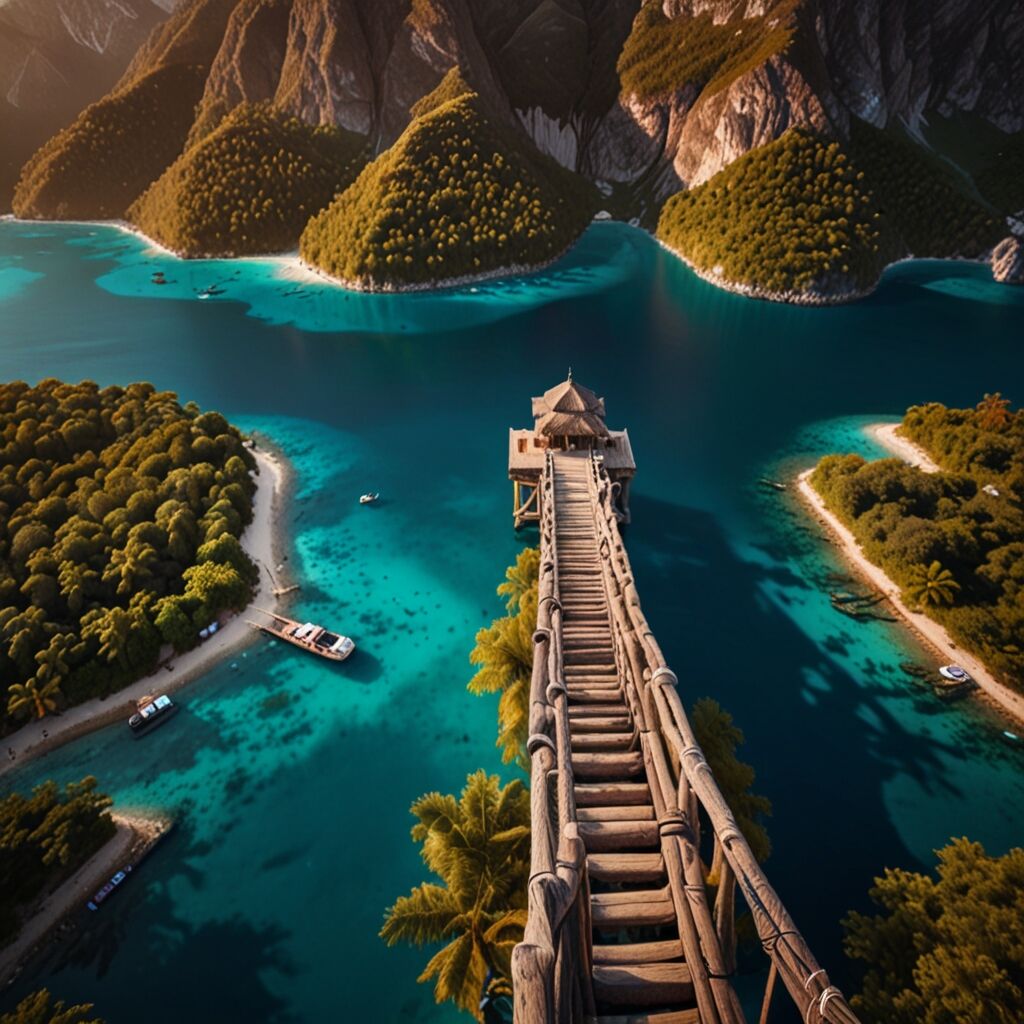
- “Golden hour” lasts around 60 minutes.
- Light changes quickly, often in 2-minute intervals.
- Photos taken during these times gain 50% more likes on Instagram.
- The sun’s angle creates unique effects at 6-9 degrees above the horizon.
- Many photographers use “Sony” gear to capture the scenes.
- Professional shoots increase by 20% during these hours.
- Golden chances occur twice daily.

Capture Stunning Scenic Vistas with Innovative Techniques
Advanced scenic photography techniques include using polarizing filters and HDR imaging to improve landscape captures. Technology enhances photography by offering tools like Adobe Lightroom for detailed photo editing. Drones are crucial in capturing scenic vistas by providing aerial perspectives that are impossible to achieve from the ground. Weather impacts photos significantly, with dramatic skies adding emotional impact to scenic captures, enhancing innovative scenic techniques to achieve better visual outcomes.
How Do Drones Revolutionize Travel Photography Techniques
Travel photography drones must adhere to specific regulations, such as FAA rules, to ensure safe use. Drones can travel up to seven kilometers, permitting efficient photography capturing of vast areas. Technological features like 4K cameras and gimbal stabilization enhance photography quality. Typically, drones can capture clear vistas at heights of up to 400 feet, providing unique perspectives in drone travel photography.
Which Camera Settings Perfectly Capture Golden Hour Moments
Optimal ISO settings for golden hour are around 100 to 400, to reduce noise while capturing soft light. An ideal golden hour shutter speed ranges between 1/30 to 1/100 seconds, depending on the shooting conditions. Changing aperture settings, typically between f/8 and f/16, optimizes golden hour captures by controlling depth of field and sharpness. White balance plays a vital role in photography by ensuring accurate colors under warm golden hour lighting.
How Many Stops of Exposure Compensation are Needed in Golden Hour
Golden hour exposure compensation is typically set to +1 to +2 stops to brighten images. As light fluctuates, exposure stops need adjustment, particularly as the sun dips lower. Spot metering mode pairs best with exposure compensation adjustments for precise lighting. Up to two exposure stop modifications may be necessary for vivid images in varying golden hour conditions, considering light level exposure changes.