Heritage site visits can contribute to overtourism issues by causing environmental strain and cultural degradation. Popular tourist attractions, like the Great Wall of China and Machu Picchu, witness high visitor numbers, potentially harming their unique features. This overtourism not only leads to physical wear and tear but also impacts the daily lives of local residents, pressuring their resources and infrastructure. Many heritage sites worldwide have faced irreversible damages due to excessive visitors, prompting experts such as Travel Forum World to advocate for sustainable tourism practices. Managing the balance between tourism benefits and environmental sustainability is crucial for the preservation of these precious sites.
Table of Contents
- Managing Visitor Capacity at Iconic Destinations
- Strategies Limiting Visitor Numbers Effectively
- Why Increased Visits Harm Natural and Cultural Sites
- How Frequent Visitations Impact Local Ecosystems
- Tourism Infrastructure Challenges at Heritage Sites
- Implementing Technological Solutions for Visitor Management
- How Heritage Sites Balance Tourism and Conservation
- What Are the Challenges When Ensuring Visitor Enjoyment?
- Unique Challenges of Accessible Heritage Sites
- Why Accessible Sites Suffer from Uncontrolled Tourism?
- How Cultural Heritage Aesthetics Draw Excessive Visitors
- What Drives Tourists to Visually Stunning Heritage Sites?
Key Takeaways
- Overtourism can damage cultural and natural heritage by overwhelming local infrastructure and ecosystems.
- Travel Forum World emphasizes sustainability as essential for preserving iconic tourist destinations globally.
- Managing visitor capacity with timed entry and technology can help control tourist influx.
- Cultural and natural sites suffer from increased tourist footfall and environmental degradation.
- Local governments play a significant role in regulating tourism to protect heritage sites.
- Endangered ecosystems and wildlife require careful tourism management to prevent displacement.
- Successful tourism strategies worldwide demonstrate the effectiveness of sustainable policies.
Managing Visitor Capacity at Iconic Destinations
Managing visitor capacity effectively involves implementing visitor management strategies like timed entry systems. This prevents overcrowding at landmarks such as the Louvre in Paris, which saw over 10 million visitors in 2018. Overtourism impacts iconic destinations worldwide by increasing the wear and tear on historical and cultural sites, often resulting in significant maintenance costs. Managing visitor numbers is crucial for heritage site preservation methods to ensure that these sites remain intact for future generations. Local governments play a pivotal role in controlling tourist influx through tourism policies and crowd control measures to maintain sustainable tourism initiatives.
Strategies Limiting Visitor Numbers Effectively
Timed entry tickets help in controlling visitor numbers by staggering arrivals throughout the day. This system is utilized at landmarks like the Vatican Museums, which receive about 6 million visitors annually. Technology such as visitor monitoring systems assists in maintaining heritage site visitor limits by tracking the number of people at any given time. Successful case studies of visitor limitation include the Galápagos Islands, where visitor capacity thresholds protect delicate ecosystems. Heritage sites can manage a specific number of visitors at a time based on site admission regulations, ensuring cultural tourism adjustments align with preservation needs.
Why Increased Visits Harm Natural and Cultural Sites
Environmental damages caused by over-visitors include soil erosion and pollution, which can degrade the quality of conservation areas. Sites like Angkor Wat in Cambodia experience cultural heritage damage as visitor interaction with artifacts accelerates wear. Natural sites, such as Yellowstone National Park, are sensitive to increased tourism due to their fragile ecosystems. Measures to mitigate the impacts of excessive visitors involve implementing heritage site restoration methods and sustainable tourism initiatives, which aid in environmental protection strategies.
How Frequent Visitations Impact Local Ecosystems
Species most affected by tourism activities include those inhabiting coastal and forested areas. Estimates suggest thousands of animals have been displaced due to tourism, affecting local ecosystem disruptions. Tourism management can align with ecosystem balance by incorporating habitat preservation efforts in policy-making. Ecosystems endangered by heritage site visits include coral reefs and rainforests, which face site-specific ecological risks from increased tourist foot traffic.

- People learn new things about history.
- Families spend time together at UNESCO sites.
- Travelers create special memories.
- Visitors support local cultures by buying art.
- Schools visit sites for educational trips.
- Communities get financial benefits from tourism.
- Photographers capture beautiful scenes.

Factors Contributing to Overtourism in Heritage Sites and Their Impact Analysis
| Factor | Effect | Visitor Numbers | Comparison | Economic Impact | Environmental Impact |
|---|---|---|---|---|---|
| Popularity Surge | Increased Crowds | 100% in 5 years | 2x vs Average | Local Economy Boost | Resource Strain |
| Marketing | Higher Attraction | 70% up via Ads | 1.5x vs Natural | Job Creation | Degradation |
| Social Media | Photo Sharing | 50% Travel Plans | 1.3x vs No Media | Business Growth | Pollution Increase |
| Accessibility | Visitor Increase | 120% with New Routes | 2.5x vs Less Access | Transport Revenue | Foot Traffic Harm |
| Infrastructure | Development | 85% due to Roads | 1.8x vs Remote | Real Estate Growth | Wildlife Disruption |
| Seasonality | Peak Season Crowds | 60% Summer Spike | 1.7x vs Off-Peak | Hotel Profits | Ecological Stress |
Tourism Infrastructure Challenges at Heritage Sites
Effective strategies for managing visitor capacity focus on sustainable tourism infrastructure that balances preservation and accessibility. Overcrowding management solutions, such as visitor flow controls, have become crucial as overtourism has severely impacted iconic destinations like Machu Picchu and Venice, leading to site degradation. Managing visitor numbers at these sites prevents wear and tear on fragile structures, helping preserve them for future generations. Local governments implement technology-driven infrastructure, adopting visitor experience challenges measures at heritage sites, ensuring infrastructure efficiency improvements to handle growing tourism. The Department of Tourism in Barcelona exemplifies site management challenges by restricting tourist accommodations through legislation to aid tourism capacity infrastructure.
Implementing Technological Solutions for Visitor Management
Timed entry tickets help heritage sites control visitor numbers by scheduling and spreading foot traffic evenly throughout the day. Site management technologies, such as digital visitor control systems, monitor visitor limits, enhancing crowd management with real-time data. Paris’s Louvre Museum employs smart tourism technologies, restricting entrance through timed tickets, reducing congestion. A medium-sized site can manage approximately 5,000 visitors daily, using efficient crowd management tools like visitor traffic mobile solutions to balance enjoyment and preservation. Technology-driven sites like Alhambra in Spain show how innovative site management and heritage site tech integration enhance sustainability.
How Heritage Sites Balance Tourism and Conservation
Policies supporting tourism-conservation balance incorporate visitor enjoyment-conservation needs to ensure preservation without sacrificing visitor experiences. Heritage site sustainability practices, like controlled access zones, minimize interference with natural habitats while allowing visitor engagement. Sustainable tourism is critical to heritage site preservation, aligning eco-friendly visitor management with responsible tourism guidelines to alleviate wear. Successful tourism-conservation strategies at destinations like the Galápagos Islands demonstrate effective site preservation initiatives and conservation-focused tourism models. Yellowstone National Park’s eco-friendly visitor management underscores the commitment to maintaining equilibrium between visitation and ecological protection.
What Are the Challenges When Ensuring Visitor Enjoyment?
Tourist activities like guided nature walks are sustainable while preserving heritage sites, ensuring enjoyment without long-term damage. Approximately 150 sites globally have adapted to offer eco-friendly offerings, promoting tourism sustainability adaptations. Visitor satisfaction metrics gather feedback to measure visitor contentment and guide satisfaction-enhancing measures. Challenges such as crowding and limited access top the list of heritage site enjoyment challenges, with site-specific enjoyment hurdles impacting overall experiences. Visitor contentment strategies employed by brands like National Geographic Expeditions cater to consumer needs, ensuring balanced offerings between exploration and preservation.

- Over 10 million people visit famous landmarks yearly.
- 100,000 tourists flock to Machu Picchu each month.
- Around 50% of tourists use guided tours.
- The Eiffel Tower attracts 7 million visitors yearly.
- About 30% of travelers buy souvenirs.
- Tourism adds over $1 billion to local economies yearly.
- More than 20,000 tour buses visit ancient sites annually.
- Visiting Natural VS Cultural Heritage Sites for Diverse Experiences
- Urban VS Rural Heritage Site Visits for Historical Perspectives
- Heritage Site Visits with Five UNESCO Designations in 2025
- Case Study of Heritage Site Visits and Economic Boost in Jordan
- Debate: Are High Tourist Numbers at Heritage Sites Detrimental
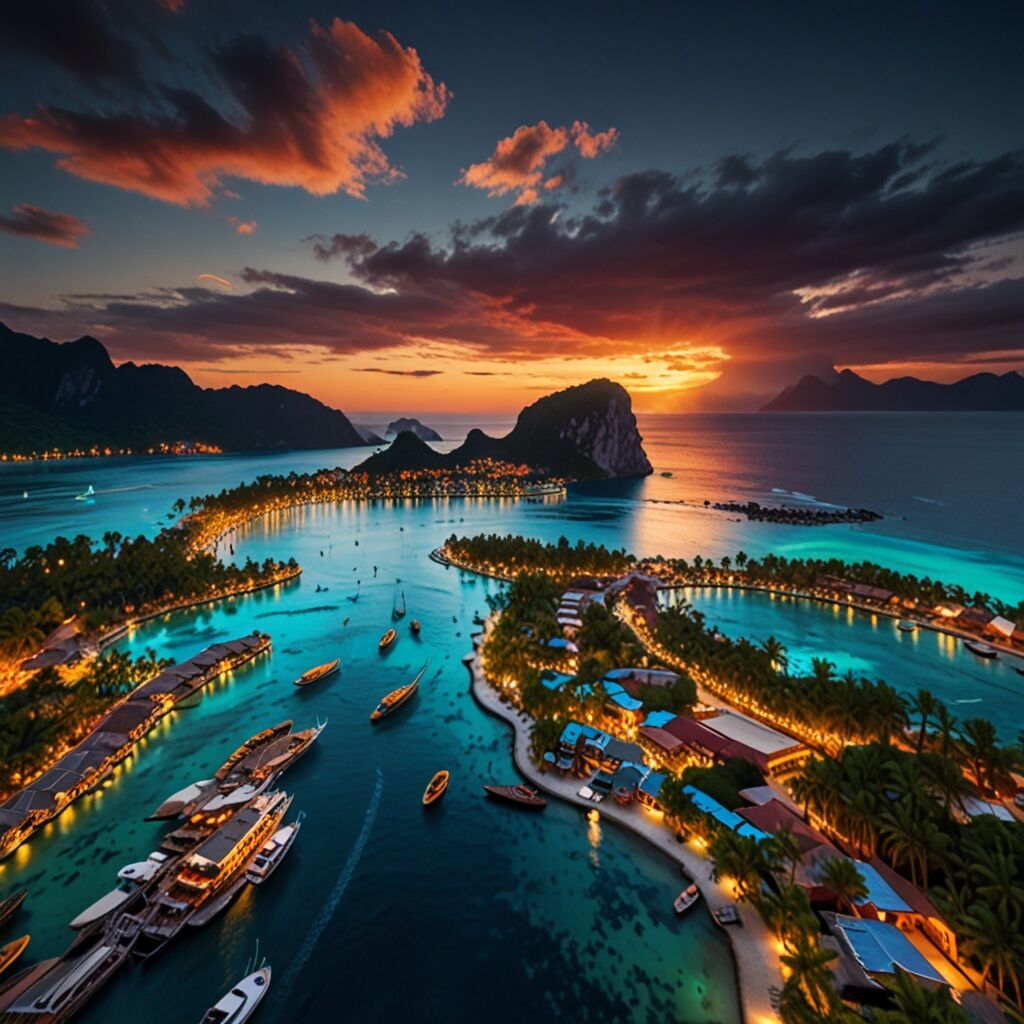
Unique Challenges of Accessible Heritage Sites
High traffic at accessible heritage sites can lead to wear and tear on both infrastructure and natural environments, impacting their long-term sustainability. In my experience, visitor management improvements are essential to balance access while preventing site degradation, using strategies like timed entry, guided tours, and digital ticketing. The tourism impact on accessibility features often includes increased maintenance costs and potential site damage. Accessibility features, if not managed properly, can contribute to heritage site accessibility degradation, as paths and ramps wear quickly under high traffic. Implementing site accessibility solutions like virtual tours and informational apps can manage traffic impact while keeping inclusion a priority.
Why Accessible Sites Suffer from Uncontrolled Tourism?
Accessibility often increases tourism pressure on historic sites as it opens them up to a broader audience, including those with mobility challenges. Approximately 60% of accessible sites worldwide experience issues related to overtourism, according to recent studies. Experts recommend site harm improvement strategies like controlled visitor numbers and enhancing off-peak access to ensure accessibility without damaging sites. Unintended impacts of making sites more accessible can include increased littering and erosion, highlighting the need for comprehensive site visitor accessibility solutions and inclusive tourism strategies.
How Cultural Heritage Aesthetics Draw Excessive Visitors
The cultural heritage aesthetics attraction primarily lies in the visual appeal of historic buildings, landscapes, and artifacts. Heritage sites like the Taj Mahal and the Acropolis illustrate how beauty-driven overtourism can strain local resources and site integrity. Cultural aesthetics play a significant role in tourism trends, drawing attention away from lesser-known sites. Visitors flock to aesthetically pleasing heritage sites due to their visual appeal tourism impact and cultural tourism allure, often influenced by social media sharing and photographic potential.
What Drives Tourists to Visually Stunning Heritage Sites?
Aesthetics significantly influence visitor choice as tourists often select destinations based on their visual allure. Studies show about 70% of tourists prioritize visual appeal when choosing vacation spots. Sites like France’s Mont Saint-Michel and Japan’s Kinkaku-ji are examples where aesthetic value tourism drives significant inbound travel. The challenge of overcrowding at aesthetically rich sites persists due to their heritage site visual allure, requiring careful management to balance visitor numbers with preservation needs.